Above the Canopy: Surrey Forests in Focus


Compositions That Breathe
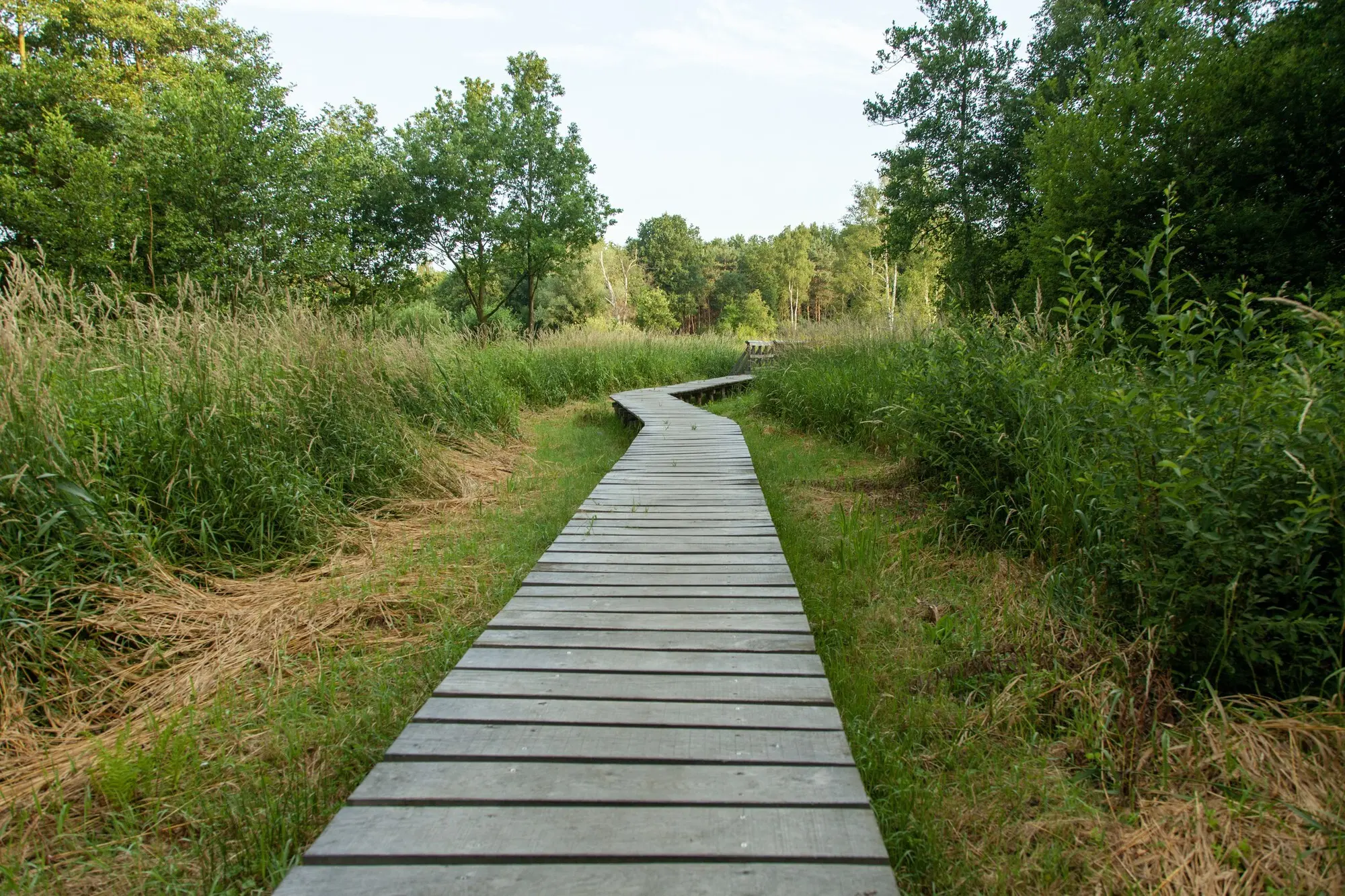
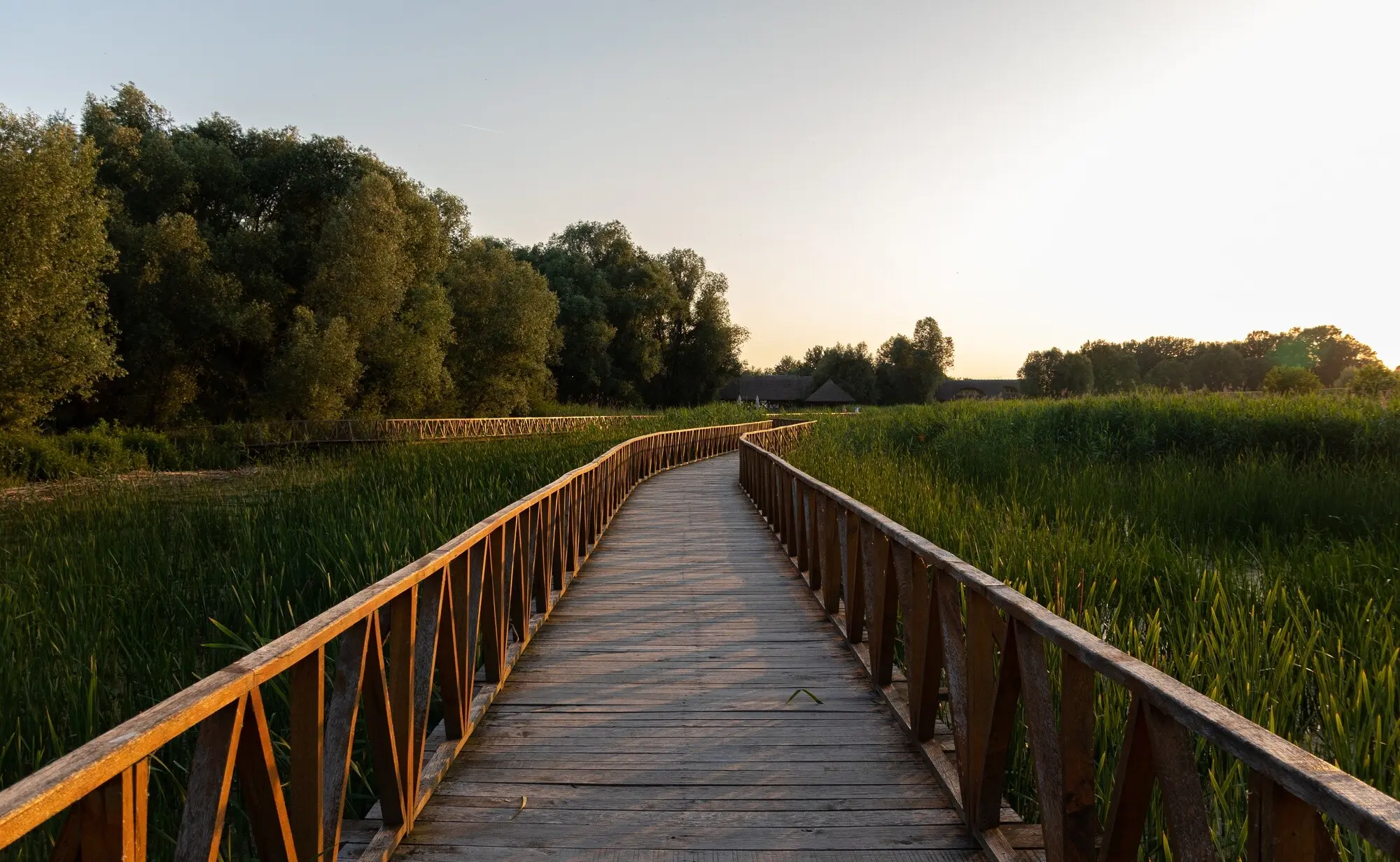
Let your frame exhale by granting space to the forest’s edges: a meandering track, a bright heath clearing, or a reflective pond relieving dense green. Use open water or pale pasture as negative space to offset intricate canopy detail. Tilt gently to find diagonals that guide the viewer from entrance to destination. When in doubt, step the drone slightly forward, then yaw a degree or two, refining balance until the scene feels naturally unhurried.
Lines, Layers, and Texture
Forestry rides, chalky bridleways, and old boundary banks create leading lines that stitch the composition together. Seek layer stacks: dark conifers, pale birch, and oak crowns forming visual terraces. Textures speak loudly from altitude—needle clusters, broadleaf veining, reed beds along the Wey. Emphasize contrast between smooth and rough, wet and dry, sunlit and shaded. A gentle side light can articulate bark and leaf structure, revealing the woodland’s architectural grammar without overcomplicating the frame.
Working With Altitude Choices
At modest heights, parallax enriches depth, giving trunks and edges dimensional presence. Climb higher to simplify into graphic patterns: quilted crowns, serpentine rivers, and geometric plantations. Respect local restrictions and keep a steady, deliberate pace. Small altitude increments often solve clutter, dodging stray branches or rooftops. If the scene feels busy, descend until one dominant gesture emerges—perhaps a silver track through copper beech. Remember, clarity grows when altitude serves story rather than spectacle.
Chasing Mist Without Losing Detail
Seasons Above the Canopy
Wind, Gusts, and Safe Decisions
Light, Weather, and the Surrey Mood
Rules, Respect, and Practical Safety


Gear and Settings That Deliver
Building a Cohesive Series
People, Paths, and Human Trace

Ethics That Earn Trust
Editing to Reveal Structure and Atmosphere