Confident Steps Above Surrey’s Forests

Before You Rise Into the Trees

Know the Route and Access Points
Dress and Gear for Safety and Comfort

Surface and Slope Expectations
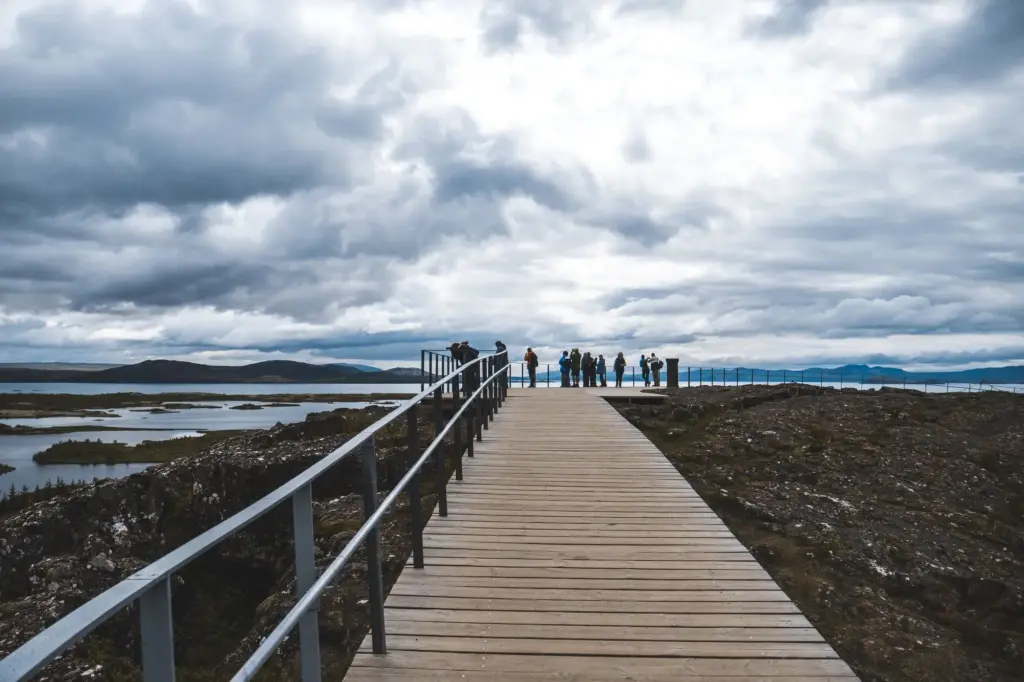
Most visitors benefit from firm, stable decking with cross-texture that channels water without catching wheels or canes. Ideal slopes stay gentle for sustained distances, with periodic level landings for rest. Expansion joints should be beveled and regular, reducing jolts that fatigue shoulders, ankles, and attention over longer traverses.
Rails, Edges, and Sightlines
Comfortable grip diameter and uninterrupted rails support balance, while mid-rails or panels prevent small children slipping through. Edge upstands help wheel tracking and cane feedback. Vegetation maintenance preserves sightlines so approaching turns, pull-outs, and crossings are visible early, lowering anxiety and enabling courteous passing with unhurried, confident gestures.
Rest Spots and Facilities
Frequent benches with armrests, sheltered nooks, and accessible toilets transform short walks into welcoming excursions. Drinking water, baby-changing areas, and quiet rooms further reduce stress. Clear symbols, hearing loop availability, and staff trained in disability awareness create an atmosphere where asking for help feels normal, efficient, and respected.
Shared Walks, Shared Responsibility
Moving Gently Through Living Canopies
If Something Goes Wrong, Stay Grounded Mentally



Lessons From Local Walkers and Rangers
From Car Park to Canopy